Closet Mold Removal in Longfellow, MN
Mold removed from walls, shelves and flooring in your Longfellow closet, with stored belongings assessed separately. Call 24/7 to arrange your closet assessment and cleanup.
- Closet moisture source checked
- Contained removal and HEPA cleaning
- Clothes and shelves assessed separately
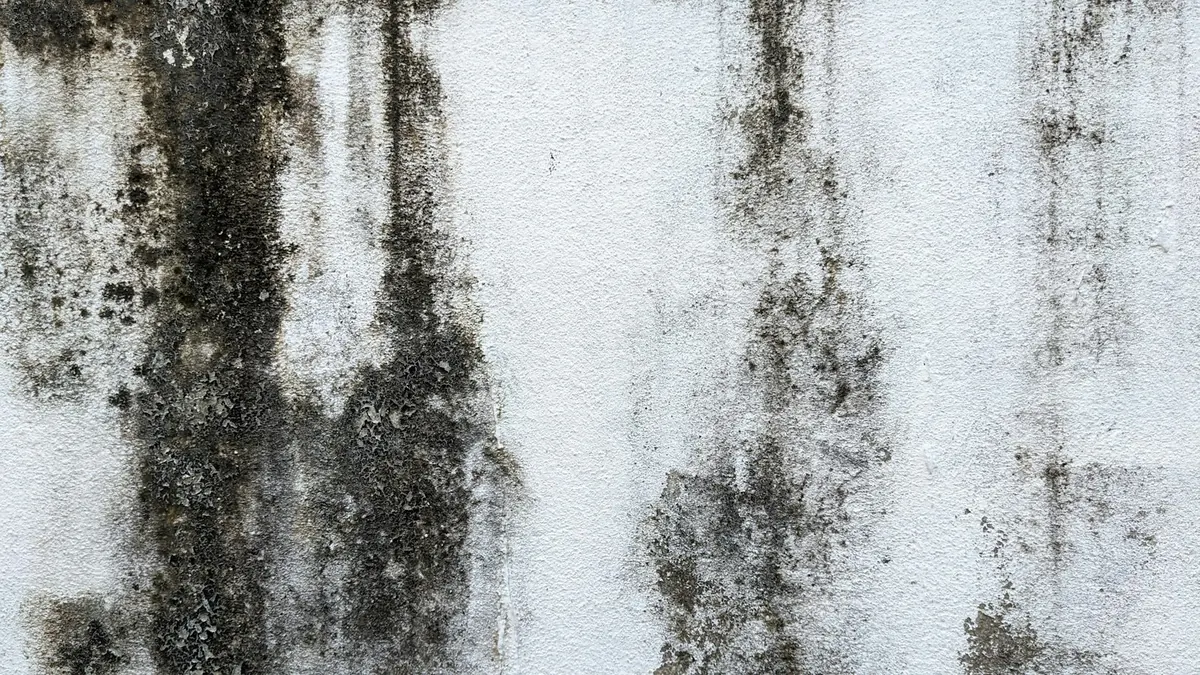
Longfellow Closet Mold Removal Services
Cleanup addresses your affected shelving, floors, walls and ceilings in linen, bedroom and walk-in closets. Before belongings go back onto cleaned surfaces, they receive a separate assessment to avoid returning affected items.
Your closet's sound wood and shelving receive cleaning followed by drying. Removal may be necessary for swollen fiberboard or damaged drywall and carpet pad. Where baseboard moisture is hidden, built-ins are opened if needed for access.
Leaks, condensation and damp clothes are assessed as possible sources. Your written scope of work defines cleanup and separate repairs. A utility closet with suspected HVAC contamination needs equipment assessment too.
- Closet wall and ceiling cleaning
- Built-in shelving and floor assessment
- Clothes, shoes and stored items assessment
- Contained drywall removal and debris bagging
- Drying with moisture checks and verification afterward
Closet Mold Removal: Signs to Look For
Moisture may be hidden if you notice mustiness, returning spots or damp storage.
Swollen Closet Shelves
Behind a fitted organizer, stains appear, and your shelving edges swell or lose firmness.
Musty Bedroom Closet
A persistent musty smell remains after clean laundry is removed, including near the floor or ceiling.
Growth Beneath Stored Boxes
You find dampness, growth or damage on cardboard boxes or underneath on the closet carpet.
Damp Clothes and Shoes
Spots or dampness affect stored belongings despite the items being dry when first put away.
Mold on a Closet Wall
Peeling paint, visible mold growth or water stains show up at an exterior corner or behind clothes on hangers.
Steps in Closet Mold Removal
Your closet is assessed first, then removal, drying and verification follow.
Closet Assessment
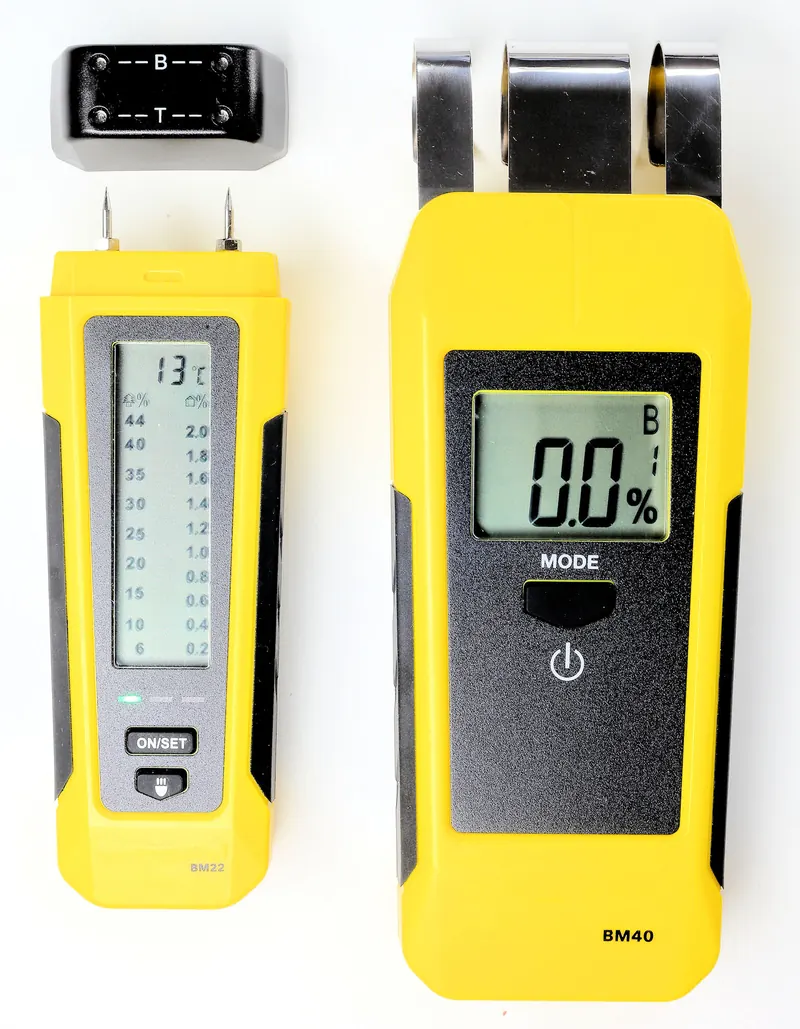
Your shelves, belongings, walls and floors undergo assessment. A moisture meter maps dampness; a thermal imaging camera can guide closer checks but cannot identify mold.
Moisture Source and Scope
Your closet ventilation is checked alongside leaks and condensation. Your scope defines surface cleaning, contents work and separate leak repair where needed.
Closet Containment
A containment barrier is formed using poly sheeting. Your scope determines appropriate use of protective equipment, a HEPA air scrubber and negative air pressure to restrict particle spread.
Damaged Material Removal
Within containment, shelving, drywall and carpet pad that cannot be saved go into bags. The removal route stays protected as clothing and footwear are separated for cleaning decisions.
Closet Surface Cleaning
Your non-porous surfaces, rods and sound wood get appropriate cleaning along with HEPA vacuum treatment. Antimicrobial treatment, when appropriate, supplements physical cleaning rather than replacing it.
Controlled Closet Drying
A dehumidifier and air movers support drying after removal and cleaning. Before replacement of materials, moisture readings monitor the remaining wood and wall cavities.
Post-Remediation Check
Containment removal follows cleaning, drying and the agreed post-remediation verification. When specified, clearance testing is done by an independent assessor; belongings return clean and dry once necessary repairs are complete.
Closet Mold Removal: Why Choose Minneapolis Mold Removal Services
Clear Scope for Walls and Belongings
Before removal starts, your scope lists repairs, contents cleaning and closet surface work separately.
Closet Moisture First
To address the source alongside visible growth, your cleanup assessment examines leaks, damp storage and condensation.
Calls Answered 24/7
One number starts your closet assessment across the metro, including nights and weekends.
Contained Closet Work
Containment and HEPA filtration are matched to your closet and the route through adjoining rooms.
Removal Through Final Checks
Damaged materials come out and sound surfaces receive cleaning followed by drying, with verification required before containment removal.
Before Closet Cleanup in Hennepin County
Leave affected materials undisturbed and call to arrange your assessment.
- Limit closet access. Do not let children or pets approach visible growth.
- Leave shelving in place. For moldy surfaces, avoid dry-brushing, tear out and sanding.
- Keep belongings contained. Avoid carrying loose boxes with mold through your rooms or shaking affected clothing.
- Avoid blowing air on growth. Do not aim fans into the closet or run suspected contaminated HVAC equipment.
- Address fresh water damage. For prevention of mold growth, dry water-damaged areas and items within 24 to 48 hours, as EPA advises.
Understanding Closet Mold Removal Cost in Longfellow, MN
These national mold remediation figures are comparisons, not closet-specific prices. Your price follows affected square footage, access behind shelving and stored belongings. Closet floor area alone does not describe the work.
About 50 square feet of mold
$500 to $1,500 per jobSource: Fixr, Mold Remediation Cost (checked 2026-10-23)Areas larger than about 10 square feet: professional rate
A square foot costs $10 to $30Source: Fixr, Mold Remediation Cost (checked 2026-10-23)Typical national range, average $3,500
$1,500 to $9,000 per jobSource: Fixr, Mold Remediation Cost (checked 2026-10-23)Factors That Change Your Closet Cleanup Cost
- Affected square footage and access
- Containment and drying equipment
- Moisture repairs and rebuilding
- Separate contents cleaning
- Built-in shelving removal
Pricing for Your Closet Mold Cleanup
These published national ranges are planning figures. Your on-site assessment defines the work and price before cleanup starts, including any separate source repairs or rebuilding.
Call (844) 352-3560 about costCloset Mold Removal Service Area Across Greater Minneapolis
Call (844) 352-3560 to arrange cleanup in Longfellow or nearby communities. One number covers the metro.
ZIP codes
Frequently Asked Questions About Closet Mold Removal in Longfellow
How much will your closet cleanup cost in Hennepin County?
Your price is based on assessment findings for affected belongings, shelving, walls and floors. You can find national ranges for mold remediation, including units and sources, in the cost cards above. Contents cleaning, hidden damage and access behind organizers can change the total. You learn the scope and price before any work starts.
How long does closet cleanup take in Longfellow?
Assessment of your built-ins, stored belongings and surfaces comes before scheduling. Compared with cleaning reachable shelving, opening a wall and drying its cavity requires more work. Drying duration depends on moisture readings. Contents cleaning, replacement shelving and finish repairs can affect when you can return everything to storage.
Can closet shelves and drywall stay in place?
Accessible wood, along with shelving in sound condition, can often undergo cleaning and drying. Removal may be necessary for damaged carpet pad, moldy drywall or swollen fiberboard. Accessing affected material behind built-ins may require opening the panels. Your scope defines removal separately before work starts, distinguishing replacement shelving, paint and other finish repairs.
Are clothes and shoes with mold salvageable?
Some possessions may be cleaned; each needs an assessment of the material and its condition. Care labels on fabric inform treatment choices, and leather and delicate items may warrant a cleaning specialist. Your scope identifies contents work separately from closet surfaces. Items beyond saving are sorted out, while cleaned possessions remain separate from affected storage.
After your closet cleanup, could mold grow again?
Mold can return if moisture remains. Leaks and damp storage are traced along with condensation during your assessment before removal. Cleanup includes identifying necessary moisture corrections and drying the surfaces after cleaning. Only plumbing or ventilation repairs named in your scope form part of the work. Once your closet is ready, clean and dry items go back.
Does your closet need testing before cleanup or afterward?
For visible mold, EPA guidance often does not call for air sampling. Inspection and moisture checks establish the cleanup area. After removal, cleaning and drying are checked before containment comes down. An independent assessor carries out clearance testing if your scope specifies it. There is no federal limit for mold levels indoors.
During bedroom closet cleanup, can you remain at home?
If rooms you occupy stay separate from the debris path and work zone, you may be able to remain. Your bedroom may be restricted while containment, removal and drying are underway. Before work begins, access and any need to relocate temporarily depend on household needs, shared ventilation and where your closet sits.
Minnesota Insurance and Closet Mold Cleanup
Your homeowners policy terms, deductible, mold coverage limits and cause of moisture determine coverage. Decisions for damaged possessions can differ from those for cleanup of the building itself.
Closet Mold Safety for Your Home in Greater Minneapolis
Containment reduces spore spread as work disturbs your stored items, shelving and finishes.
Hidden Closet Damage
Moisture readings reveal damp areas rather than mold; possible growth concealed by built-ins requires additional assessment.
Stored Belongings
Moving loose clothing or cardboard affected by mold can scatter particles.
Mold Color
Color alone tells you nothing about a mold's risk, says CDC.
Contaminated Water
EPA advises professional help when contaminated water, including mold from sewage, is involved.
Cleanup scope: You can often clean an area under about 10 square feet yourself, EPA says. Seek professional help for extensive water damage, larger affected areas or involvement of HVAC.
Closet Mold Removal in Hennepin County: Which Materials Get Cleaned or Removed
Material condition determines what stays; affected belongings receive separate assessment.
Non-porous surfaces
- Metal rods receive cleaning and drying, as do sound plastic bins and wire shelves.
Closet finishes and framing
- You may be able to clean sound wood; removal may be needed for swollen fiberboard, moldy drywall and carpet.
Clothes and keepsakes
- Cleaning choices follow fabric care labels plus item condition; delicate items, papers and leather may require a specialist's assessment.
Hennepin County Closet Mold Cleanup: How Long It Takes
Your timing depends on removal and drying, cleaning belongings, then repairs after remediation.
- Built-in access: When damage reaches behind panels, taking shelving out creates additional work.
- Drying: Moisture readings determine when wall cavities and framing are ready for repairs.
- Returning belongings: Specialist contents cleaning may finish after the closet itself is ready.
Humidity and Odor in Your Greater Minneapolis Closet
A musty smell is investigated at shelves, floor edges and concealed damp areas. Fragrance does not correct its source.
Your closet door vent or dehumidifier cannot substitute for repairing leaks. For indoor relative humidity, EPA recommends less than 60 percent; the ideal range is 30 to 50 percent.
Closet Mold Cleanup in Minnesota: Requirements to Know
Closet Work Requirements
The Minnesota Department of Health says neither the state of Minnesota nor any federal agency licenses or certifies mold investigators or remediators. If you are hiring someone, ask about their training and experience, and check your local contractor rules.
Building Repairs
The included building, plumbing or electrical tasks determine which permits are required.
Rental Closets
The Minnesota Department of Health says landlords are generally responsible for controlling moisture and removing mold unless the tenant caused it, and it does not inspect rentals. Renters can ask local building, housing, or health inspectors for help.
State Mold Information
The Minnesota Department of Health, Environmental Health Division, Indoor Air Unit offers phone and email advice on mold at 651-201-4601. It does not offer inspection or testing services.
State guidance: Minnesota Department of Health: Mold in homes; Minnesota Revisor of Statutes: 513.55 Disclosure
Related Services and Next Steps
Start Your Closet Mold Removal in Longfellow
Call 24/7 to arrange your assessment. Your cleanup starts with the affected surfaces, moisture source and access to your home.